

ROI Calculator
See the impact of Dossier with our ROI calculator


ROI Calculator
See the impact of Dossier with our ROI calculator
Electronic health records (EHRs) were never designed to burden clinicians, but, over time, that’s exactly what happened. In the latest session of Dossier’s Nursing Informatics Webinar Series, EHR Optimization & Usability: A Nurse Leader’s Guide, speakers Nicole Duke, MSN, RN-BC and E’Jai Ellies, an implementation specialist for Dossier, unpacked why today’s EHR experience often feels disconnected from real clinical practice and how nurse leaders can reclaim the system so it truly supports patient care, workforce wellbeing, and operational excellence.
In the webinar, Nicole pointed out EHRs weren’t originally designed around the clinical workflow. They were built to meet organizational, billing, and regulatory needs. Over time, this foundation created layers of documentation that often don’t match how nurses actually think, prioritize, or move through a shift.
E’Jai added that implementation teams historically made decisions without real frontline input. Workflows were mapped out in conference rooms, not in patient rooms or hallways. The result? Systems that function on paper but feel unintuitive in practice.
This disconnect explains why so many nurses still juggle unnecessary clicks, duplicate entry, and workarounds to get through their day.
Nicole and E’Jai both emphasized that interoperability – getting systems to “speak the same language” – directly shapes the user experience. When information doesn’t move cleanly between tools or departments, nurses fill the gaps. They spend time hunting for data, repeating documentation, or correcting incomplete information.
That extra effort impacts more than efficiency. It influences patient safety, nurse wellbeing, and even the timeliness of care.
Nicole highlighted how much of a nurse’s day is absorbed by documentation. The lived experience shared during the webinar was clear: the time spent in the EHR often eclipses time spent with patients.
This contributes to mental fatigue, missed educational moments, and a sense that the EHR owns the workflow instead of supporting it. For organizations, the ripple effects extend to communication breakdowns and errors that influence patient outcomes.
That’s why, as both speakers emphasized, EHR optimization can’t be treated as an IT initiative alone. It is a clinical, operational, and workforce priority.
Both Nicole and E’Jai stressed the importance of beginning with manageable improvements rather than trying to overhaul everything at once. Small, focused changes often unlock the biggest impact, especially when leaders identify high-friction areas like flow sheets or handoffs.
Optimizing an EHR can feel overwhelming. Nicole offered a clear roadmap:
Choose a single, high-impact workflow, such as flow sheets, order sets, handoff tools. Avoid system-wide overhauls at first.
Include:
Workflow redesign must start at the point of care, not in a conference room.
Sit with nurses. Watch how they navigate the chart. Look for:
These everyday inefficiencies add up to hours.
Nicole shared an example from her informatics work, using the EHR’s native analytics to track:
Identifying that nurses were duplicating entries across multiple flow sheets led to a focused sprint. After redesigning the flow sheet to match the natural clinical workflow, the results were measurable: hours of documentation time returned, improved usability, and increased confidence in navigation.
The webinar also underscored that optimization is not a one-time event. Nicole described how governance, through informatics committees and clinical leadership involvement, keeps EHR decisions aligned with organizational goals and regulatory requirements.
Competency plays an equally important role. Traditional two-hour EHR classes don’t truly prepare clinicians. Leaders need meaningful, ongoing competency strategies that reinforce workflow understanding, digital literacy, and safe documentation practices. This aligns with the type of structured support Dossier enables for health systems.
The shared message from the webinar was simple: optimizing the EHR isn’t just about better screens or fewer clicks. It is about improving the daily experience of nurses and, in turn, improving care.
When nurse leaders champion usability, they reduce frustration, strengthen communication, and create more time for what matters most—patients.
For years, hospitals have digitized nearly every aspect of care, from EHRs and scheduling to staffing analytics. Yet one of the most critical components of nursing excellence, competency management, often remains stuck in spreadsheets, clipboards, and paper binders.
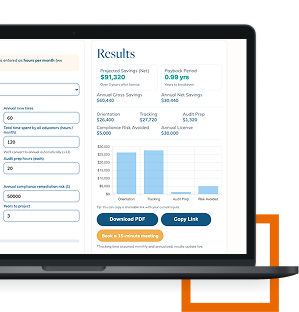
The cost isn’t just inefficiency. Manual tracking eats up educator time, buries insights, and introduces inconsistencies that can affect staff readiness and patient safety. Check out Dossier’s ROI Competency Calculator.
In a time when retention, quality, and workforce agility matter more than ever, competency data can no longer live on paper.
Digital transformation isn’t just about convenience — it’s about control, consistency, and confidence in the nursing workforce.
“Paper tells you where your team was. Digital competency management shows you where they are and where they’re headed.”
The hidden costs of staying manual
Most nurse leaders can recite the pain points of manual competency tracking:
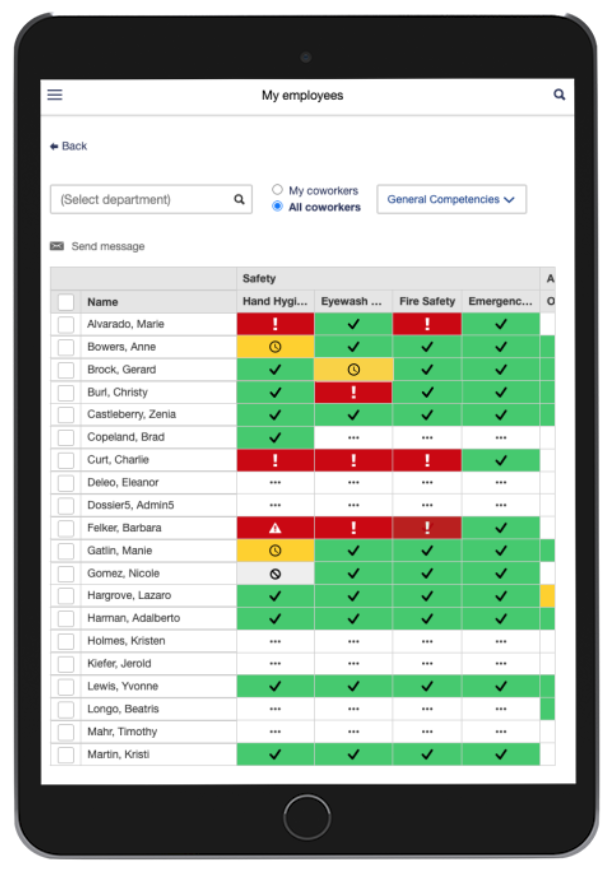
Manual systems limit visibility. When competency data lives in binders or siloed spreadsheets, leaders can’t easily see patterns, measure progress, or identify risks.
Try Dossier’s ROI calculator to see what you could be saving.
Digital competency management systems are redefining what leadership visibility means in healthcare. Here’s what happens when organizations move from paper to platform:
Then: Paper checklists, delayed updates, reactive reporting
Now: Automated tracking, real-time dashboards, proactive workforce planning
When competency management goes digital, it stops being a clerical task and becomes a leadership strategy.
Instead of asking, “Did this nurse complete their competency checklist?” the question becomes, “Is our team ready to deliver safe, high-quality care right now?”
Competency data, when centralized and visible, helps leaders:
It’s a shift from compliance to intelligence and it gives nursing leadership a new level of agility.
Healthcare isn’t slowing down. Technologies, patient expectations, and care delivery models are evolving faster than ever.
To keep pace, leaders need systems that make competency continuous, visible, and actionable.
Digital competency management turns professional growth into an everyday part of practice. It builds stronger, more confident nurses — and more resilient teams.
“When competency becomes visible, growth becomes unstoppable.”
Ready to see how leading organizations are transforming competency management into a strategic leadership tool? Book a demo with Dossier.
As virtual care expands and generational turnover accelerates, healthcare leaders face a new challenge: how to build confidence and compliance across a hybrid nursing workforce.
Many new nurses entering the field today missed important clinical experiences during the COVID-19 pandemic. At the same time, seasoned professionals are retiring in record numbers, often taking decades of institutional knowledge with them.
And now, care delivery itself is changing. With 91% of U.S. health systems offering telehealth and 71% actively expanding those services (Becker’s + Teladoc Health 2024 Whitepaper), expectations for staff performance are shifting faster than many training models can keep up.
The post-COVID workforce is navigating several compounding realities:
When nurses don’t feel confident, the effects ripple through the organization: decreased job satisfaction, higher error rates, lower retention, and slower onboarding.
Confidence, once built at the bedside under the guidance of experienced mentors, now must be rebuilt through clear expectations, targeted training, and real-time support.
Virtual Care Adds Complexity—and Opportunity
Virtual nursing is not just a logistical shift; it’s a psychological one. Teams are navigating new technology, new workflows, and new forms of communication. That adds pressure—but it also presents a massive opportunity.
With the right systems in place, health systems can:
Confidence doesn’t come from a checklist. It comes from knowing you’re prepared—and having a structure in place that supports your learning every step of the way.
Dossier: Powering Confidence Through Competency
Dossier helps healthcare leaders shift from reactive training to proactive, role-based development.
With Dossier, you can:
When staff know what’s expected—and see their own progress—they don’t just meet minimum standards. They thrive.
Final Thought
You can’t solve today’s workforce challenges with yesterday’s training methods. As care models and workforce demographics shift, confidence must become a strategic priority—not a hopeful outcome.
Empowered staff deliver safer care, stay longer, and elevate those around them. The key is giving them the tools to succeed—digitally, clearly, and confidently.
Sources
Virtual nursing is no longer just a staffing workaround. It’s a strategic evolution—and it’s changing how healthcare systems must think about competency.
A 2024 whitepaper by Becker’s Healthcare and Teladoc Health found that:
Virtual care is scaling rapidly. But the competencies that support it haven’t kept up.
Traditional training and competency checklists were designed for in-person, hands-on care. But virtual nursing requires a different skillset altogether—one that blends clinical expertise with digital fluency and advanced communication skills. These include:
As these roles expand, hospitals need a structured way to define and validate the skills they require—not only to ensure quality and compliance, but to give nurses confidence that they are fully prepared for success in a hybrid environment.
Unlocking Retention, Onboarding, and Quality
The real power of virtual nursing lies not just in improving efficiency—it’s in strengthening the workforce. By giving experienced nurses new career pathways in virtual settings, hospitals can preserve institutional knowledge and reinvest it directly into the development of newer staff. This model creates a feedback loop of learning and support that builds team cohesion and accelerates onboarding.
But without modern tools, this process is difficult to manage. Many hospitals still rely on manual documentation or siloed systems that don’t track these evolving competencies. That leaves leaders without the visibility they need—and creates friction in workforce development and audit readiness.
Risk of Falling Behind
A 2025 analysis from the American Hospital Association highlights how telehealth adoption has outpaced workforce readiness—and warns of the need for updated competency strategies to ensure safe, effective care across all delivery models.
As more care shifts outside the hospital walls, gaps in training can lead to inconsistent patient experiences, compliance failures, and increased staff burnout. Competency tracking can no longer be reactive—it must be integrated into day-to-day operations and adaptable to new models of care.
The Role of Digital Competency Management
Dossier gives healthcare systems the ability to define, deploy, and validate competencies in real time—whether for virtual nursing roles, hybrid teams, or bedside staff. The platform supports:
By modernizing how competencies are managed, hospitals can ensure their teams are not only compliant, but confident and connected—no matter where or how they deliver care.
Final Word
Virtual care is here to stay. It’s helping health systems retain senior staff, reduce onboarding strain, and improve care consistency. But to make it sustainable, organizations must rethink how they train and support their teams.
That starts with a competency strategy built for what comes next—not what came before.
Learn More
👉 Schedule a demo with Dossier
👉 Explore how Dossier supports virtual and hybrid care models
8/4
91% of U.S. health systems have implemented telehealth. 71% are actively expanding it. But many still rely on outdated training and competency models that were built for a different era of care.
As hospitals scale virtual care, they’re facing a critical question: Are our teams truly ready to deliver high-quality care—remotely, digitally, and confidently?
If the answer isn’t a resounding yes, the gap isn’t just technological. It’s strategic. Because the way we define, track, and manage competencies needs to evolve just as fast as our care models.
Sources:
Dossier Insight:
Virtual care is no longer a pilot—it’s a primary care channel. Yet too many hospitals still use manual, paper-based processes to manage staff competencies. That puts quality, safety, and compliance at risk.
Virtual care isn’t just a technology shift. It’s a workforce transformation.
To succeed, teams need competencies in:
These skills aren’t optional. They’re essential. But they’re also dynamic, evolving alongside platforms, workflows, and regulations.
If hospitals don’t modernize how they define and validate these skills, they face:
And most important: Patient safety suffers.
That’s where Dossier comes in. Our platform equips health systems to:
With Dossier, you don’t just stay compliant. You build a workforce that’s confident, connected, and future-ready.
Your EHR evolved. Your telehealth platform evolved. Your workforce did too.
Now it’s time for your competency strategy to catch up.
Schedule a demo with Dossier.