








A patient engagement platform is a software system that helps healthcare organizations communicate with, educate, and involve patients across the entire care journey. Rather than treating patients as passive recipients of care, these platforms give them tools to schedule appointments, access records, message their care team, and follow personalized care plans. The result is a more connected experience that improves outcomes, satisfaction, and operational efficiency at the same time.
How a Patient Engagement Platform Works
At its core, a patient engagement platform connects the systems patients and staff already rely on, such as the electronic health record, scheduling tools, and billing. It then layers on communication channels like secure messaging, text reminders, and patient portals so that information flows in both directions. Automated workflows handle routine touchpoints, including appointment confirmations, pre-visit intake forms, and post-discharge check-ins, freeing clinical teams to focus on the moments that genuinely require a human.
Core Features to Look For
The strongest platforms share a common set of capabilities. Secure two-way messaging keeps conversations documented and compliant. Self-service scheduling and automated reminders cut no-show rates. Educational content delivery meets patients where they are with condition-specific resources. Digital intake and forms remove paperwork from the waiting room. Finally, analytics and reporting show which outreach efforts actually move the needle on engagement and adherence.
Benefits for Patients and Organizations
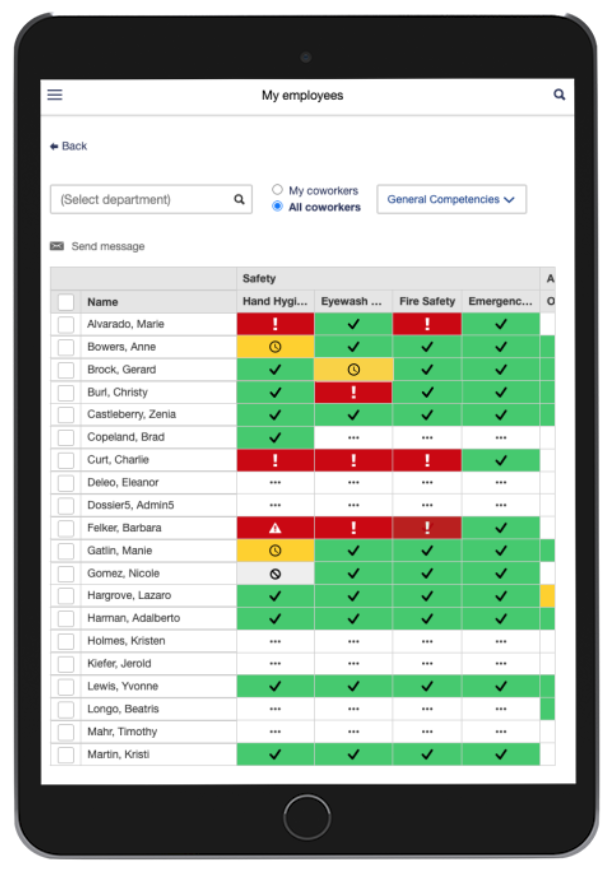
For patients, the payoff is convenience and clarity: fewer phone calls, faster answers, and a clearer understanding of their own care. For organizations, engaged patients show up more reliably, adhere to treatment plans more consistently, and report higher satisfaction, which increasingly ties to reimbursement. Well-supported staff also matter here. When frontline teams are confident and competent, patient interactions improve, which is why many organizations pair engagement technology with strong workforce development.
How to Choose the Right Platform
Start by mapping the platform to your actual patient journey rather than a generic feature list. Prioritize deep integration with your EHR, strong security and compliance, and an interface simple enough that patients of all ages will actually use it. Ask vendors how they measure success, what onboarding looks like, and how the tool supports your staff, not just your patients. A platform is only as effective as the people using it, so consider how it fits alongside your broader competency and professional development programs.
Frequently Asked Questions
Is a patient engagement platform the same as a patient portal? Not quite. A portal is one feature, typically for viewing records and messaging, whereas a full platform coordinates communication, scheduling, education, and analytics across the whole care journey.
How do these platforms improve outcomes? By keeping patients informed and on track between visits, they support better adherence to care plans, reduce missed appointments, and catch issues earlier through consistent check-ins.
Do staff need special training to use one? Most modern platforms are designed to be intuitive, but organizations see the best results when they validate staff skills and provide role-specific onboarding so teams can use the tools confidently.
To learn how Dossier supports engaged patients through a confident, well-validated workforce, explore our competency management platform. You can also explore related insights on the Dossier blog.