







Lateral violence in nursing refers to hostile, aggressive, or undermining behavior directed by nurses toward their peers. Often described as “nurses eating their young,” it includes everything from overt bullying to subtle sabotage, and it quietly erodes teamwork, morale, and patient safety. Understanding what lateral violence looks like is the first step toward building a healthier, more supportive culture that keeps nurses at the bedside.
What Is Lateral Violence?
Lateral violence, sometimes called horizontal violence or workplace incivility, describes repeated harmful behavior between colleagues at the same level of the hierarchy. Unlike a single bad day, it is a pattern. It can be spoken, such as belittling comments and gossip, or unspoken, such as withholding information, excluding a coworker, or refusing to help. Because much of it happens quietly, it often goes unreported even as it damages the people and teams involved.
Common Examples
Lateral violence shows up in recognizable ways. A nurse may be publicly criticized in front of patients or peers. A new graduate might be set up to fail by being denied guidance during a difficult shift. Eye-rolling, sarcasm, and dismissive body language send a message just as clearly as words. Cliques may exclude certain colleagues from communication, and some staff quietly refuse to assist when a teammate is overwhelmed. Each instance seems small, but together they create a hostile environment.
Why It Matters for Retention and Safety
The consequences reach well beyond hurt feelings. Nurses who experience lateral violence report higher burnout, lower job satisfaction, and a stronger intent to leave, which drives up turnover and its considerable costs. New nurses are especially vulnerable, and a hostile welcome is one of the fastest ways to lose them in their first year. Patient safety suffers too, because nurses who feel unsupported are less likely to speak up, ask questions, or flag concerns. Addressing lateral violence is therefore a retention strategy and a safety strategy at once.
How to Prevent Lateral Violence
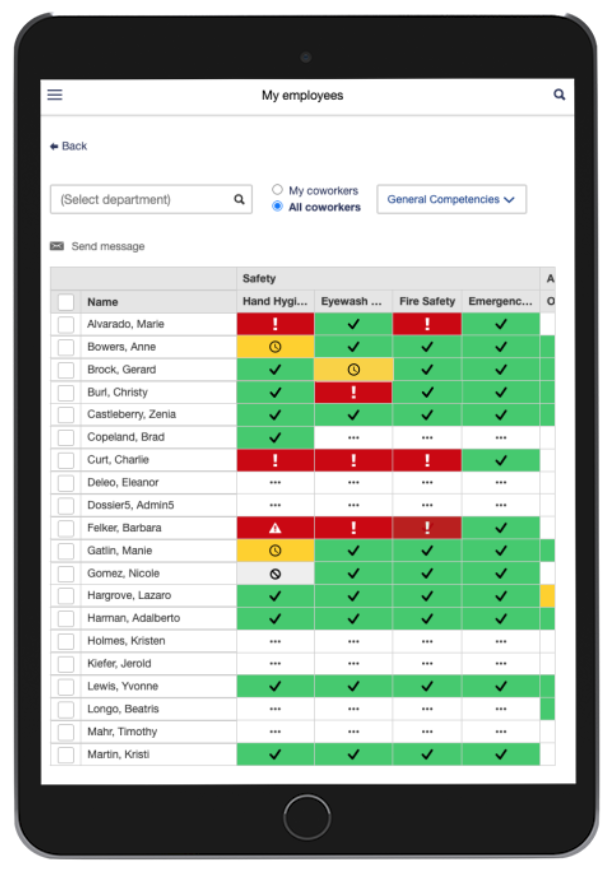
Prevention starts with naming the behavior and setting a clear expectation of zero tolerance, backed by leadership that models respect. Structured onboarding and mentorship give new nurses a safe landing and a trusted person to turn to. Training in communication and conflict resolution equips staff to address tension directly rather than letting it fester. Just as important, organizations should track the competencies and confidence of their teams so that skill gaps, a common trigger for frustration, are closed with support rather than shaming. A strong professional development program signals that the organization invests in its people, which is the foundation of a respectful culture.
Frequently Asked Questions
Is lateral violence the same as bullying? They overlap. Bullying usually implies a power imbalance, while lateral violence occurs between peers, but both involve repeated harmful behavior that damages individuals and teams.
Who is most affected by lateral violence? New graduates and nurses in their first year are especially vulnerable, though it can affect anyone, and it contributes significantly to early turnover.
What should I do if I witness it? Document what you observe, support the affected colleague, and report the behavior through your organization’s channels so that leaders can address the pattern rather than a single incident.
Building a respectful culture takes more than a policy. See how Dossier helps teams grow confidence through competency management. Strong onboarding and mentorship for new nurses are especially powerful, and you can explore related resources on the Dossier blog.