
-
From Competency to Confidence: How Evidence-Based Training Drives Better Care
Evidence-based training and digital competency management aren’t just about compliance—they’re how healthcare organizations build safer teams, better outcomes, and long-term resilience.
As healthcare organizations face unprecedented staffing shortages, rising patient acuity, and tighter reimbursement models, one truth becomes increasingly clear: the strength of your care delivery is only as strong as the competencies of your team.
And yet, many hospitals still manage training through spreadsheets, binders, or fragmented systems that weren’t built for today’s complexity. In contrast, high-performing health systems are taking a different path—one rooted in evidence-based, digital competency management that empowers teams and improves outcomes.
Competency Is the New Currency of Care
Gone are the days when static, annual checklists were enough.
Modern care environments demand dynamic skill development, rapid onboarding, and real-time visibility into who is truly ready to provide safe, high-quality care.
This shift is about more than efficiency—it’s about risk mitigation, workforce readiness, and patient safety. Every missed competency creates vulnerability. Every verified skill strengthens your team’s ability to deliver the best care possible.
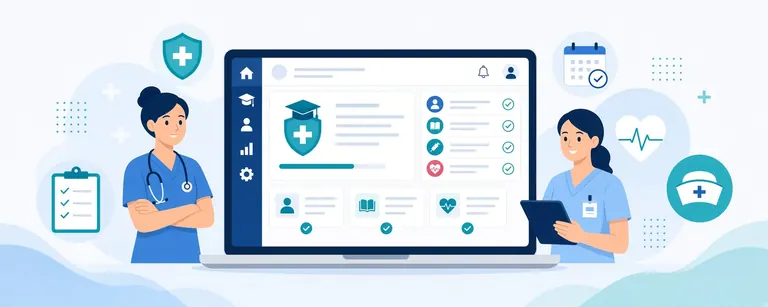
Hospitals using platforms like Dossier gain a strategic edge by:
- Accelerating orientation and boosting clinical readiness through evidence-based, standardized onboarding protocols
- Replacing outdated paper tracking with real-time dashboards that provide clear visibility across teams
- Proactively identifying skill gaps—before they impact patient safety
Competency data is a strategic asset—not just an HR task.
Evidence-Based Training Builds Resilience
Staff turnover, telehealth growth, and new care models are making it harder than ever to ensure consistency and quality. Evidence-based training pathways—tailored by role, learning style, and clinical area—offer a powerful solution.
These personalized learning plans help:
- Accelerate skill development for new hires and float staff
- Ensure alignment with regulatory bodies like Joint Commission and CMS
- Create transparency and trust in the learning journey for both educators and learners
For Magnet-recognized hospitals, it’s also a pathway to maintaining excellence and meeting expectations for professional development, empowerment, and outcomes.
Turn Compliance Into a Competitive Advantage
Digitizing competency management doesn’t just ease the audit process—it transforms it. With real-time proof of training, certification reminders, and predictive alerts, your team is always prepared.
And beyond compliance, a digital-first approach to competency helps:
- Improve staff satisfaction by reducing administrative burdens
- Create clear career pathways that support retention and growth
- Strengthen your hospital’s reputation as an employer of choice
In a time when hospitals are under pressure from every direction, investing in smarter training is no longer a nice-to-have—it’s a strategic imperative.
Get One Step Ahead
At Dossier, we work with health systems that want to raise the bar—supporting nurse leaders, educators, HR teams, and executives who know that the path to better outcomes starts with verified, confident, and capable teams.
Ready to see how evidence-based training can transform your organization? Book a demo.
-
7/23
Every Chief Nursing Officer (CNO) starts somewhere—but without a clear development path, even the most promising leaders can struggle to rise. Hospitals increasingly recognize that cultivating the next generation of nurses isn’t just about succession—it’s about readiness, confidence, and alignment with the mission of care.
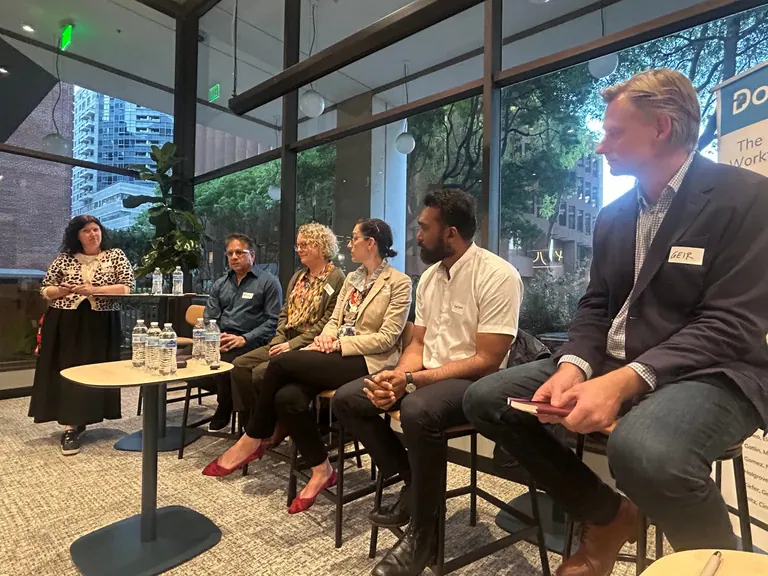
At this year’s AONL Conference, a team from Cottage Health and Cedars-Sinai shared a very forward-thinking approach: a structured, competency-based onboarding and development plan designed specifically to support emerging CNOs. Rooted in the AONL Nurse Executive Competencies, the framework offers a replicable model for growing and sustaining strong nursing leadership.
Why Competency-Based Leadership Onboarding Matters
Unlike clinical roles, leadership transitions are often sink or swim. The poster highlights how organizations aligned with AONL’s Nurse Executive Competencies to create a structured process that supports new CNOs before, during, and after the handoff.
What’s different about this approach:
- It’s not just a binder or checklist—it’s a timeline-based onboarding framework with embedded support.
- It promotes early identification and intentional development of internal leadership candidates.
- It includes personalized coaching and formal succession planning, reducing disruption when turnover occurs.
The Strategy: Bridge the Competency Gap
To create a consistent and strategic development path, the lead CNO mapped each phase of the onboarding process to the AONL Nurse Executive Competencies—establishing clear expectations, milestones, and measurable outcomes for both the incoming executive and the support team guiding them. This included:
- Pre-boarding: Introducing potential successors to key meetings and executive forums.
- Personal and professional alignment: Clarifying career aspirations and organizational culture fit.
- Structured milestones: Including external visibility, governance engagement, and relationship-building across the C-suite.
A digital onboarding map made the journey trackable—and repeatable.
Measurable Outcomes and Organizational Impact
The results speak for themselves:
- Smoother transitions with less disruption.
- Greater confidence and capability in newly promoted nurse executives.
- A repeatable model for internal leadership development grounded in national standards.
One key phrase captured the philosophy best: “Don’t boil the ocean.” This initiative was about focusing on what matters most—building skills and confidence aligned with the specific challenges a new CNO will face.
Replicating the Model Across Systems
The team behind this work encourages others to adopt and adapt the approach. Their model:
- Can be replicated across departments and systems.
- Integrates easily into existing succession planning strategies.
- Adds structure and intention to leadership development—making the invisible journey visible.
It’s a model for what happens when competency management goes beyond the bedside and into the boardroom.
Want to Build Stronger Nurse Executive Pipelines?
Start by asking: Do we know what success looks like for a CNO in our organization? Are we grooming our next CNO—or just hoping they show up?
If you’re looking to operationalize nurse executive development, this AONL-led model offers a proven roadmap.
-
Virtual nursing is doing more than just filling staffing gaps—it’s reframing how organizations attract, support, and retain nurses across generations.
When WellSpan Health launched its virtual nursing program, the goal wasn’t just operational efficiency—it was human connection. Senior nurses who were considering retirement found renewed purpose mentoring newer staff from virtual command centers. Meanwhile, early-career nurses gained real-time coaching and reassurance during critical patient interactions. The result? A model that defies generational divides and strengthens team-based care.
At Dossier, this evolution is something we see echoed across our partner hospitals: virtual care is shifting the very definition of competency. It’s no longer just about what happens at the bedside. It’s also about how staff perform across settings, how they adapt to technology, and how teams communicate under pressure.
Virtual Nursing is a Competency Catalyst
Digital care models demand digital training infrastructure. As virtual nursing gains traction, leaders must rethink how competencies are defined, tracked, and maintained. It’s no longer sufficient to measure procedural checklists alone. Instead, today’s competency management strategies must account for:
- Telehealth etiquette and remote communication skills
- Role-based training aligned to hybrid workflows
- Cross-generational coaching capabilities
- Real-time skill validation and support
WellSpan’s experience proves that seasoned nurses can thrive beyond the bedside—and that organizations benefit when their knowledge isn’t lost to retirement but rechanneled into virtual mentorship. But without a system to track and validate that evolving scope of work, organizations risk falling behind.
Why It Matters Now
As of 2024, 91% of U.S. health systems report having an active telehealth program—and 71% are actively expanding their virtual offerings (Becker’s Hospital Review). This shift isn’t just driven by innovation—it’s fueled by necessity:
- Staff shortages demand faster onboarding and skill assessment.
- Generational turnover risks losing institutional knowledge.
- New care settings require flexible, role-specific competencies.
- Audit pressures demand real-time visibility, not paper trails.
Hospitals that digitize competency management—especially for programs like virtual nursing—don’t just get better documentation. They get stronger teams. Teams that are supported, connected, and ready for what’s next.
Dossier’s Takeaway
As virtual nursing becomes a foundational part of modern care delivery, hospitals need systems that evolve with it. Dossier equips healthcare organizations with flexible, cloud-based competency management that makes it easy to define new competencies, validate real-time performance, and preserve hard-earned knowledge across generations.
We believe the future of nursing isn’t just virtual—it’s verifiable, adaptable, and collaborative.
Learn more about Dossier or book your demo today!
-
Whether you’re training a new grad nurse or preparing for your next audit, one reality is clear: managing workforce competency has never been more complex. Teams are stretched thin, care settings are shifting, and the stakes for compliance and care quality continue to climb.
For organizations pursuing or maintaining Magnet® designation, robust competency programs are essential to demonstrating excellence in nursing practice, continuous improvement, and professional development. Similarly, for those who struggled with their last Joint Commission audit, a digital-first approach to competency management can close documentation gaps, reduce risk, and simplify audit preparation.
This article breaks down the top five competency challenges hospitals face today, and offers proven, technology-enabled solutions to help healthcare leaders stay one step ahead.
Challenge 1: Skill Gaps from High Turnover and Rapid Onboarding
What’s Happening: What’s Happening: According to the American Nurses Association, the United States will need more than 275,000 additional nurses by 2030 to meet demand. Hospitals are onboarding new staff quickly—often with limited experience and varying training backgrounds. Meanwhile, experienced staff are retiring or exiting the workforce, taking institutional knowledge with them.
How to Solve It:
- Use AI-driven learning pathways to personalize onboarding and reinforce critical skills faster.
- Implement digital platforms with pre-built clinical checklists and pathways to reduce variability and standardize training.
- Enable peer-to-peer learning by capturing expertise from experienced staff before they exit.
Challenge 2: Disconnected Systems That Undermine Compliance
What’s Happening: When training tools, HRIS platforms, and EHRs don’t talk to each other, tracking staff competencies becomes a manual and error-prone process. Incomplete or missing records can put compliance—and your accreditation—at risk.
How to Solve It:
- Adopt a centralized digital competency platform that integrates with HR and clinical systems (e.g., Workday, Oracle, Epic).
- Leverage automated reminders for expiring credentials and required modules.
- Ensure real-time dashboards are available for both educators and executive leadership to track readiness and gaps.
Challenge 3: Limited Visibility into Competency Readiness
What’s Happening: Nurse leaders and department heads often lack access to real data about who is truly competency-validated and ready to care for patients. This creates risk when audits or crises arise.
How to Solve It:
- Use predictive analytics to find gaps before they become compliance failures.
- Deploy competency heatmaps to visualize readiness across teams or units.
- Equip educators with real-time cohort tracking tools to prioritize follow-ups and interventions.
Challenge 4: Burnout and Lack of Professional Development
What’s Happening: Manual processes and paper documentation drain educators’ time and lead to staff burnout. Without clear pathways for growth, engagement and retention suffer.
How to Solve It:
- Digitize documentation and checklists to reclaim hours for clinical care.
- Provide career advancement planning and clinical laddering tools that support long-term development.
- Show growth pathways and mentorship programs to boost morale and reduce turnover.
Challenge 5: Adapting to New Care Models (Telehealth, DEI, Cross-Training)
What’s Happening: As care moves beyond the bedside—into homes, virtual visits, and diverse communities—new competencies are needed. Traditional systems can’t keep up with the pace of change.
How to Solve It:
- Deploy telehealth-focused training modules and track staff readiness for virtual care.
- Offer DEI-aligned competencies such as cultural sensitivity and implicit bias training.
- Enable rapid rollout of cross-training content across departments to support flexible staffing models.
Conclusion: Building a Future-Ready Workforce
Healthcare leaders can no longer rely on outdated systems to manage a rapidly evolving workforce. To support Magnet journeys, pass audits with confidence, and retain top talent, hospitals must modernize competency management now.
Dossier helps you get there faster. Our digital competency management platform centralizes, simplifies, and elevates how your teams build and prove skills.
Ready to get One Step Ahead? Book a demo
-
Workplace violence in healthcare isn’t just a frontline issue—it’s an enterprise-wide risk. Nearly 50% of healthcare workers have reported workplace violence (WPV) incidents in the past decade, according to OSHA. Yet, most hospitals still lack a system-wide strategy to address the issue.
At AONL 2025, Indiana University Health shared a five-stage prevention framework that’s not only improving reporting rates but also improving trust between staff and leadership. Their initiative, titled “Safer Together,” offers an adaptable roadmap for hospital systems ready to positively act on this growing crisis.
Why a Systematic, Evidence-Based WPV Strategy Is Urgent
WPV doesn’t just cause physical harm. It compromises team morale, quality of care, and patient safety. A 2021 survey cited in the poster revealed that less than half of 9,000+ nurses felt their organization valued their health and safety—an 18% decline since 2018.
In 2022, The Joint Commission responded with new requirements mandating the development of comprehensive WPV programs. That guidance helped shape IU Health’s five-stage approach, which finds a balance between regulatory alignment with culture change and staff empowerment.
The Five Stages of IU Health’s WPV Strategy Development
- Gap Analysis – Reviewing current evidence-based practice and Joint Commission standards
- Staff Assessment – Understanding how team members perceive safety and reporting
- Taskforce Formation – Creating cross-functional ownership and leadership
- Framework Design – Developing strategic goals and visual priorities
- Execution – Rolling out policy changes, awareness campaigns, and support systems
Crucially, this wasn’t a top-down initiative. IU Health empowered team members to lead and shape these solutions—a shift that impacted culture and participation.
Results: Increased Reporting and Improved Staff Experience
From 2020 to Q4 2024, WPV incident reporting tripled—from 128 to 458 cases. Rather than indicating a rise in violence, this signals increased trust and awareness, as team members felt safer reporting incidents.
Even more promising: Staff-reported workplace experience scores increased from 77.1 in Q4 2023 to 84.1 by Q4 2024.
This proves that prevention is not just about signage or policies—it’s about supporting psychological safety and demonstrating leadership accountability.
Strategic Tactics That Made a Difference
IU Health didn’t just change protocols—they changed visibility and communication culture in the workplace. Key components of their success included:
- Public Signage to set behavioral expectations
- Awareness Videos featuring team member testimony
- Post-Assault Support with defined resources and follow-up
These seemingly small actions reinforced a big message: you matter, and we’ve got your back.
What Health System Leaders Should Take Away
Hospital and system executives must view WPV as a strategic risk that impacts staff retention, litigation exposure, regulatory standing, and patient safety.
What IU Health demonstrated at AONL 2025 is this: tackling workplace violence effectively requires not just protocols, but engagement, ownership, and sustained visibility.
As one takeaway: don’t just measure the absence of violence. Measure the presence of psychological safety.
Conclusion: Safer Teams Deliver Better Care
By embedding workplace violence prevention into the cultural fabric—not just the compliance checklist—IU Health is building a healthier, more resilient workforce. Their success should serve as a call to action for systems everywhere.
Interested in building a WPV strategy that staff trust and leadership can scale?
Start with data. Lead with action. And make safety a shared responsibility.
-
Leadership development in nursing isn’t just a professional goal—it’s a system-wide necessity. At the AONL 2025 Conference, Cedars-Sinai Medical Center presented a powerful model for investing in nursing leadership from within: a Peer-Led Leadership Development Committee for Nursing Managers. This quality improvement movement aims to close leadership gaps, enhance confidence, and build a strong foundation for nurse manager success across inpatient and outpatient settings.
Why a Peer-Led Approach to Leadership Works
After reviewing learning needs assessments and implementing system-wide surveys, Cedars-Sinai found recurring challenges facing nursing managers: financial management, difficult conversations, emotional intelligence, and role clarity. In response, the organization launched a peer-led development initiative rooted in collaboration.
This approach aligned with Magnet pillars and CS Nursing Strategic Goals, while focusing on shared accountability, emotional support, and continuous learning across leadership tiers.
How the Program Was Designed
The committee was built with leadership endorsement and staff ownership. Key steps included:
- Gaining support from the Chief Nursing Officer
- Recruiting experienced nursing managers as facilitators
- Creating a needs-driven curriculum tailored to real-world challenges
- Hosting workshops, case discussions, and mentorship sessions
- Continuously improving content through feedback loops
By giving managers ownership of the development process, Cedars-Sinai turned education into engagement—and compliance into empowerment.
Results That Matter
The results showed significant impact:
- Overall experience: 4.8/5
- Recommendation likelihood: 4.9/5
- Impact on professional growth: 4.8/5
- Improvement in managerial skills: 4.2/5
These metrics reflect more than satisfaction—they reveal that peer-led development can lead to real leadership capability. The slightly lower score on skill improvement also pointed to areas of opportunity, demonstrating a culture of transparency and continuous refinement.
Broader Implications for Healthcare Leadership
Cedars-Sinai’s initiative proves that leadership development can be collaborative, cost-effective, and culture-changing. The program:
- Enhances retention by building confidence and support systems
- Encourages shared learning across inpatient and outpatient units
- Reduces leadership burnout by fostering connectedness
- Emphasizes emotional intelligence, a critical skill often overlooked in clinical settings
- Reinforces Magnet and shared governance principles
In a time when leadership pipelines are strained, Cedars-Sinai’s model provides a roadmap for sustainable growth and positive empowerment.
Conclusion: When Nurse Leaders Lead Leaders
The takeaway for hospital and system executives is clear: invest in your nurse managers and let them shape the process. Peer-led leadership development doesn’t just check a box—it creates a ripple effect across care delivery, culture, and organizational success.
Looking to grow the next generation of nursing leaders?
Start by trusting the ones you already have.
This article reflects an independent summary and commentary on a quality improvement initiative presented by Cedars-Sinai at AONL 2025.
-
Healthcare’s workforce model is undergoing a major seismic shift. According to a 2023 McKinsey report, 31% of nurses surveyed found that they planned to leave their current direct patient care positions within the next year, highlighting the urgency for adaptable staffing solutions. Rising patient acuity, staffing shortages, and unpredictable surges in demand have exposed the fragility of rigid staffing structures. In response, many systems are turning to internal float pools, cross-functional training, and enterprise-wide workforce flexibility to adapt.
But flexibility, without proper infrastructure, becomes risky.
As hospital CEOs push for greater agility, one principle must guide the shift: flexibility should never come at the expense of competency, safety, or workforce trust.
The Push Toward System-Wide Flexibility
Floating staff—deploying team members across units, departments, or even facilities—is becoming a strategic necessity. A 2023 study conducted by McKinsey & Company found that nearly 60% of U.S. hospitals are expanding internal float pools or exploring enterprise resource staffing to deal with shortages and cost pressures.
Why the surge?
- Persistent labor shortages: The U.S. could face a shortage of up to 3.2 million healthcare workers by 2026, according to Mercer.
- Cost control: Health systems are paying premiums for travel nurses and contingent labor, pressuring margins.
- Unpredictable demand: Seasonal surges, pandemics, and shifting case mix demand staffing elasticity hospitals weren’t built for.
In this context, floating staff isn’t just a workaround—it’s becoming a workforce model.
The Risks of Floating Without Competency Oversight
While flexible staffing offers operational agility, it also creates clinical, cultural, and compliance risk if not grounded in visibility and verification.
1. Patient Safety at Risk
Placing staff in units where they aren’t fully competent increases the likelihood of medication errors, delayed interventions, or miscommunication during transitions of care. In a 2022 AHRQ brief, insufficient unit-specific training was cited as a top contributor to preventable harm in acute settings.
2. Regulatory and Accreditation Risk
The Joint Commission requires evidence that staff are competent to perform assigned duties—in the units where they’re working. Floating without documented competency creates audit vulnerability and could impact Magnet, CMS, or CAP status.
3. Erosion of Staff Trust
Floating without clarity often leads to resentment, burnout, and turnover. Staff may feel unsupported or unsafe, especially when asked to “pitch in” on unfamiliar units without adequate preparation. This is more than a morale issue—it’s a retention crisis waiting to happen.
The Executive Mandate: Visibility, Flexibility, and Control
For hospital and health system CEOs, the opportunity isn’t just to solve staffing gaps. It’s to modernize workforce readiness in a way that improves outcomes, supports culture, and reduces risk.
That requires:
- System-wide visibility into who is competent, current, and float-ready
- Real-time access to unit-specific competency profiles
- Automation of alerts when floating staff are missing skills or documentation
- Cross-training plans built into the workforce development strategy
This isn’t something Excel or email chains can manage. It demands a digital competency infrastructure that aligns workforce agility with safety and compliance.
How Digital Competency Platforms Enable Safer Flexibility
A digital competency management platform like Dossier enables executives to float staff with confidence and reassurance, not just guesswork. Here’s how:
✅ Verify Float-Readiness Instantly
Nurse managers and shift leaders can view a staff member’s up-to-date competencies by unit, procedure, and policy—reducing risk and speeding decision-making.
✅ Support Cross-Training with Structured Plans
Leadership can proactively upskill staff for float roles with built-in training pathways, ensuring clinical teams are confident, not just available.
✅ Reduce Audit Risk Across the Enterprise
Complete, real-time documentation proves that staff are only floated into areas where they are verified as competent—supporting Joint Commission, Magnet, and CMS standards.
✅ Empower Staff Through Transparency
When expectations and skill requirements are clear, staff feel safer floating and more supported in their growth—fueling engagement, not frustration.
Organizational Benefits: Beyond the Staffing Grid
The value of flexible, competency-informed staffing extends far beyond filling holes in the schedule:
- Higher productivity from faster onboarding and broader staff mobility
- Reduced reliance on costly contingent labor
- Lower turnover and burnout, especially when staff feel prepared and empowered
- Stronger clinical outcomes by ensuring care is delivered by appropriately trained professionals
- Greater resilience in the face of staffing shortages, regulatory audits, and crisis response
The Future of Workforce Strategy Is Competency-Led Flexibility
As the health workforce becomes more mobile and care models more decentralized, static workforce structures will fail to keep up. CEOs must invest in infrastructure that doesn’t just allow for flexibility—but enables it safely.
Digital competency management is no longer a back-office tool—it’s a strategic pillar of operational excellence.
Want to see how health systems are deploying floating staff safely and strategically?
👉 [Book a demo with Dossier] and learn how to align workforce agility with safety, confidence, and compliance.
-
In today’s healthcare environment, workforce readiness isn’t just a departmental concern—it’s a system-wide imperative. From critical care units to outpatient clinics, HR departments to imaging teams, the ability to ensure every staff member is skilled, compliant, and confident directly impacts quality, safety, and performance.
Yet many hospitals still rely on manual processes, outdated spreadsheets, or fragmented systems to track competencies. These inefficiencies cost time, create risk, and erode organizational alignment.
A digital competency management platform like Dossier offers more than convenience—it delivers measurable gains across the entire healthcare enterprise.
System-Wide Visibility Creates Strategic Advantage
When each department tracks competencies in isolation—or worse, on paper—executives lose sight of systemic issues that can affect everything from staffing and safety to accreditation.
With Dossier, organizations gain real-time visibility into team readiness across departments, locations, and roles. Leaders can:
- See which units are fully compliant and which are at risk
- Identify skills gaps before they result in patient safety events
- Understand staffing capabilities across the enterprise in real time
This level of insight supports proactive decision-making and elevates workforce planning from reactive to strategic.
Faster Onboarding and Higher Retention Save Money and Morale
The financial impact of workforce churn is massive. The cost of replacing a single nurse, for example, can exceed $40,000 to $64,000. And turnover isn’t limited to nurses—laboratory staff, respiratory therapists, imaging technologists, and even non-clinical personnel face similar challenges.
By digitizing onboarding workflows and competency validation, Dossier helps hospitals:
- Reduce time-to-productivity for new hires by up to 30%
- Standardize training across departments and locations
- Create a smoother, more supportive onboarding experience that improves retention
The result? Less time lost. Fewer resources wasted. More engaged, competent staff delivering safer care.
Audit Readiness Without the Stress
Accrediting bodies like The Joint Commission, CMS, CAP, and Magnet all require precise documentation of staff competencies. In paper-based environments, preparing for an audit often means weeks—or months—of scrambling.
Dossier eliminates the chaos by maintaining continuously updated, digital records that are audit-ready at all times. This reduces the burden on department managers and protects the organization from costly gaps in compliance.
It’s not just about passing audits—it’s about building a culture of readiness.
Better Outcomes Require Better Competency Infrastructure
Clinical outcomes improve when competency is actively managed—not assumed.
With Dossier, healthcare systems can standardize best practices across all departments, supporting clinical quality initiatives, reducing variation in care, and closing performance gaps more quickly. Whether it’s reducing central line infections or improving discharge planning, consistent competency tracking plays a foundational role.
Competency infrastructure isn’t just an HR function—it’s a clinical performance driver.
Strengthening Organizational Culture and Staff Engagement
Dossier doesn’t just streamline compliance—it builds transparency, accountability, and trust across the organization.
When staff clearly understand what’s expected of them, how their skills are developing, and what growth looks like, they’re more likely to feel confident, valued, and engaged.
In a landscape defined by burnout and workforce shortages, that kind of clarity matters. It’s the difference between retention and resignation, between stagnation and excellence.
The Bottom Line: Competency Impacts Everything
Digital competency management is no longer a nice-to-have—it’s a business-critical capability. It touches every area executives care about:
- Patient safety
- Workforce efficiency
- Accreditation risk
- Financial performance
- Organizational reputation
By implementing a system-wide platform like Dossier, health systems gain the clarity and control needed to lead with confidence.
Ready to See the Full Picture?
From inpatient floors to ambulatory clinics, HR to imaging, Dossier helps healthcare leaders align teams, reduce risk, and deliver better care through smarter workforce readiness.
Book a demo and discover how a digital competency management platform can strengthen your entire organization.
-
-